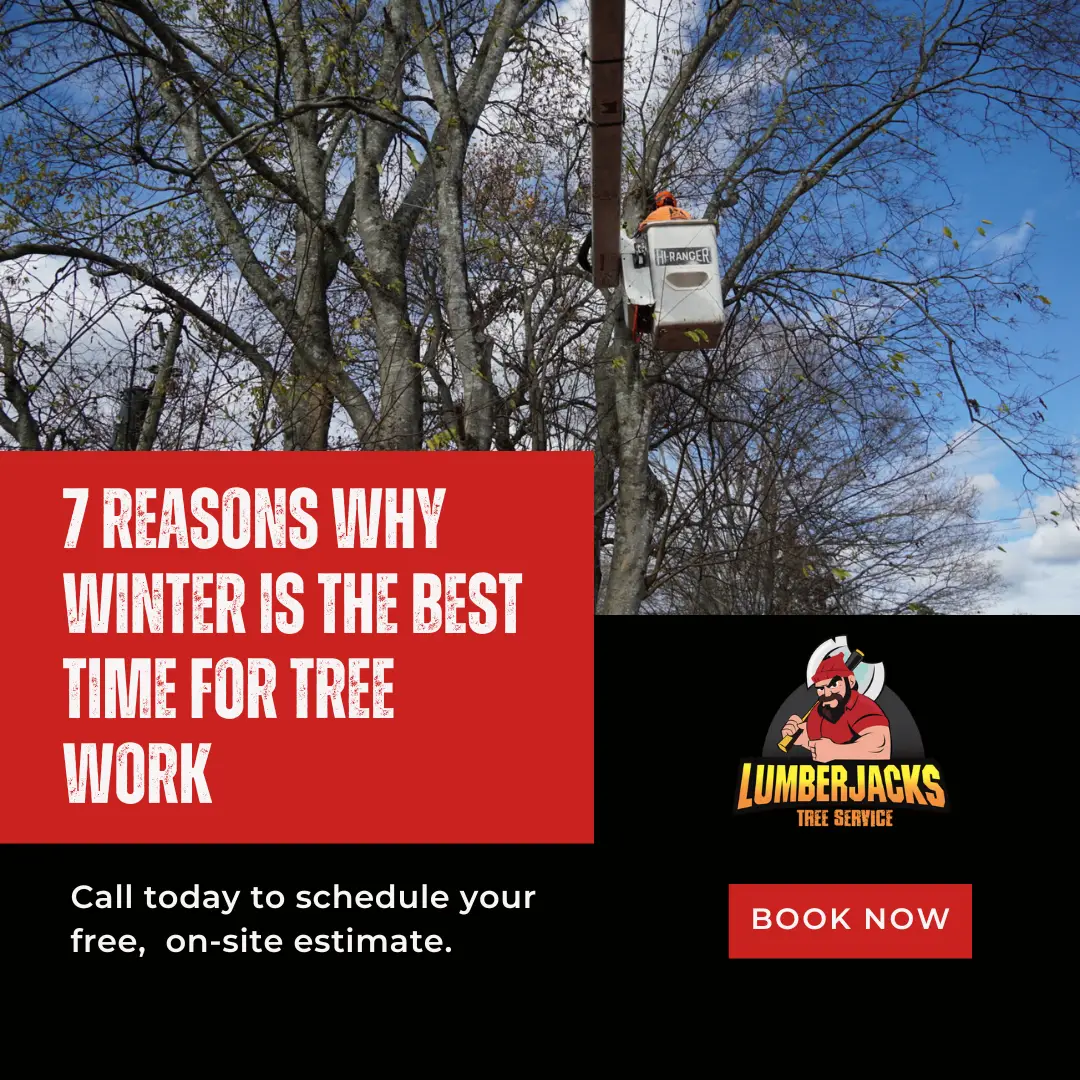

Tree pruning is an essential part of tree care that enhances health, safety, and aesthetics. But not all pruning is the same—doing it correctly, at the right time, and following industry standards is crucial to maintaining tree vitality. Tree Pruning to ANSI Standards ensures that the process follows best practices for tree health and safety, reducing the risk of improper cuts that could harm the tree. One of the best times for tree pruning, according to arborists, is during winter. Without leaves, it’s easier to identify dead or hazardous branches, making corrective pruning more effective.
Why Winter is an Ideal Time for Tree Pruning
Many homeowners worry that arborists can’t properly assess a tree without its leaves. However, this is actually the best time for an expert to identify potential hazards like cracks, fungal growth, or deadwood. According to Tchukki Andersen, BCMA, CTSP, a staff arborist for the Tree Care Industry Association, winter conditions provide clear visibility of a tree’s architecture, allowing for a thorough health check.
Additionally, frozen ground in winter makes tree work easier with less impact on surrounding plants and soil. While most trees can be pruned year-round if done correctly, certain types of pruning are best suited for dormant periods to avoid stress on the tree.
The Art and Science of Proper Tree Pruning
Pruning is much more than simply cutting off limbs. It is a science-driven process that involves the careful removal of dead, damaged, or structurally weak branches to promote tree health and reduce risks. Beyond safety, proper pruning enhances a tree’s structure, encourages new growth, and increases flower and fruit production.
However, improper pruning—whether by neglect or over-pruning—can severely damage or even kill a tree. Timing and technique are critical. The best time for tree pruning is typically early spring, guided by a carefully developed pruning plan.
The Gold Standard for Tree Pruning
So how can homeowners ensure their trees are pruned correctly? The answer lies in ANSI A300, the American National Standards Institute’s standard for tree pruning. This industry-standard outlines the proper tools, techniques, and best practices to follow.
What ANSI A300 Pruning Standards Require
A professional arborist following ANSI A300 guidelines will:
✅ Use proper cutting techniques
✅ Preserve the tree’s structural integrity
✅ Remove only necessary branches to maintain health and safety
What a professional arborist Will NOT do:
🚫 Leave branch stubs
🚫 Make unnecessary heading cuts
🚫 Cut off the branch collar (no flush cuts)
🚫 Top or lion’s tail trees (stripping inner branches, leaving foliage only at the tips)
🚫 Remove more than 25% of a single branch’s foliage
🚫 Remove more than 25% of the total tree foliage in one year
🚫 Damage other parts of the tree during pruning
🚫 Use wound paint on cuts
🚫 Prune without a valid reason
🚫 Climb trees using climbing spikes
By hiring an arborist who adheres to these guidelines, homeowners ensure their trees remain healthy, safe, and aesthetically pleasing.
Finding a Qualified Arborist for Tree Pruning
When looking for a tree care professional, always ask whether they follow ANSI A300 standards. Proper pruning requires expertise, and working with a certified arborist ensures your trees get the best possible care.
Our team at Lumberjacks Tree Service are TCIA members and follow all ANSI A300 standards. If you’re considering tree pruning, now is the perfect time to consult with one of our tree care experts. Contact us today to get a quote for your needs.