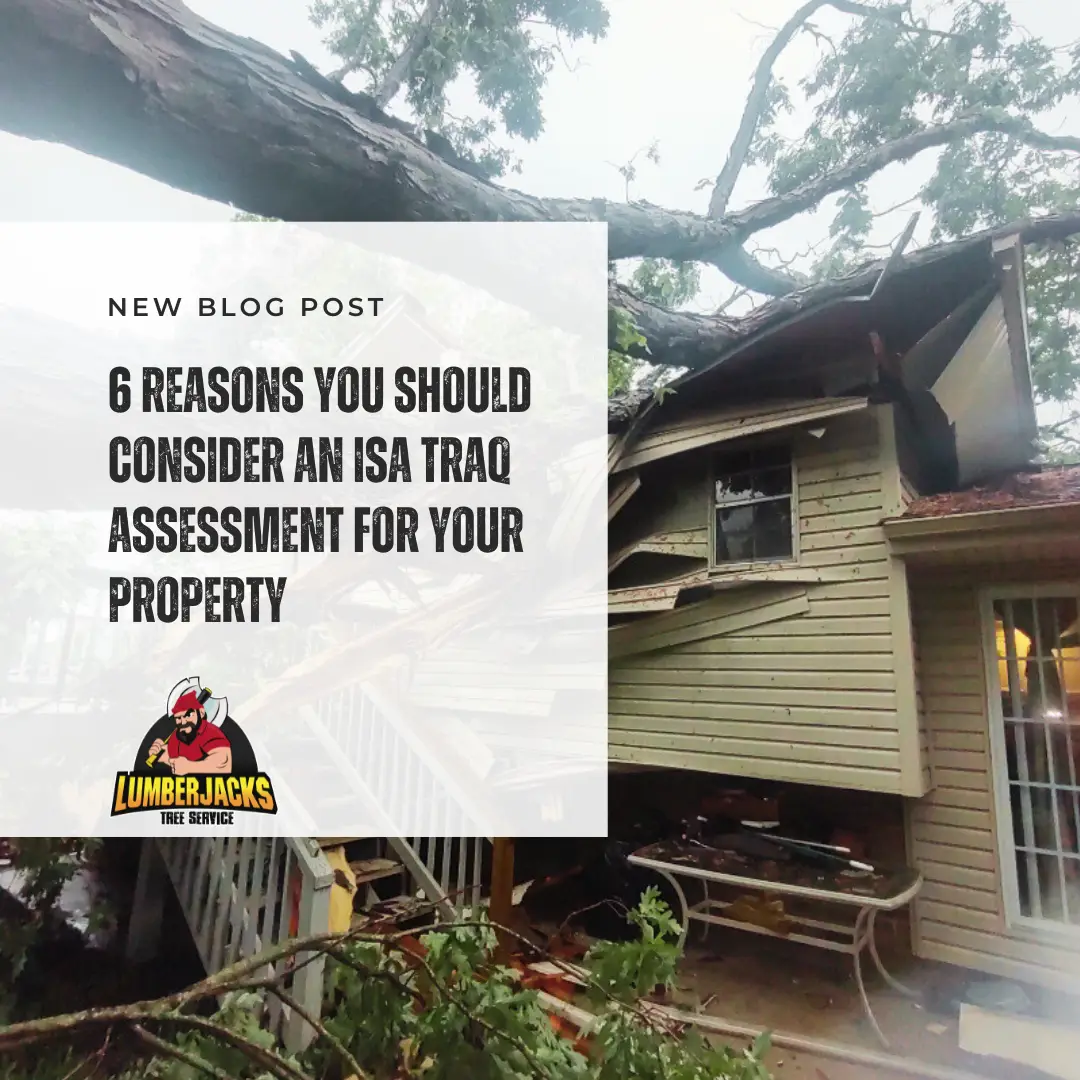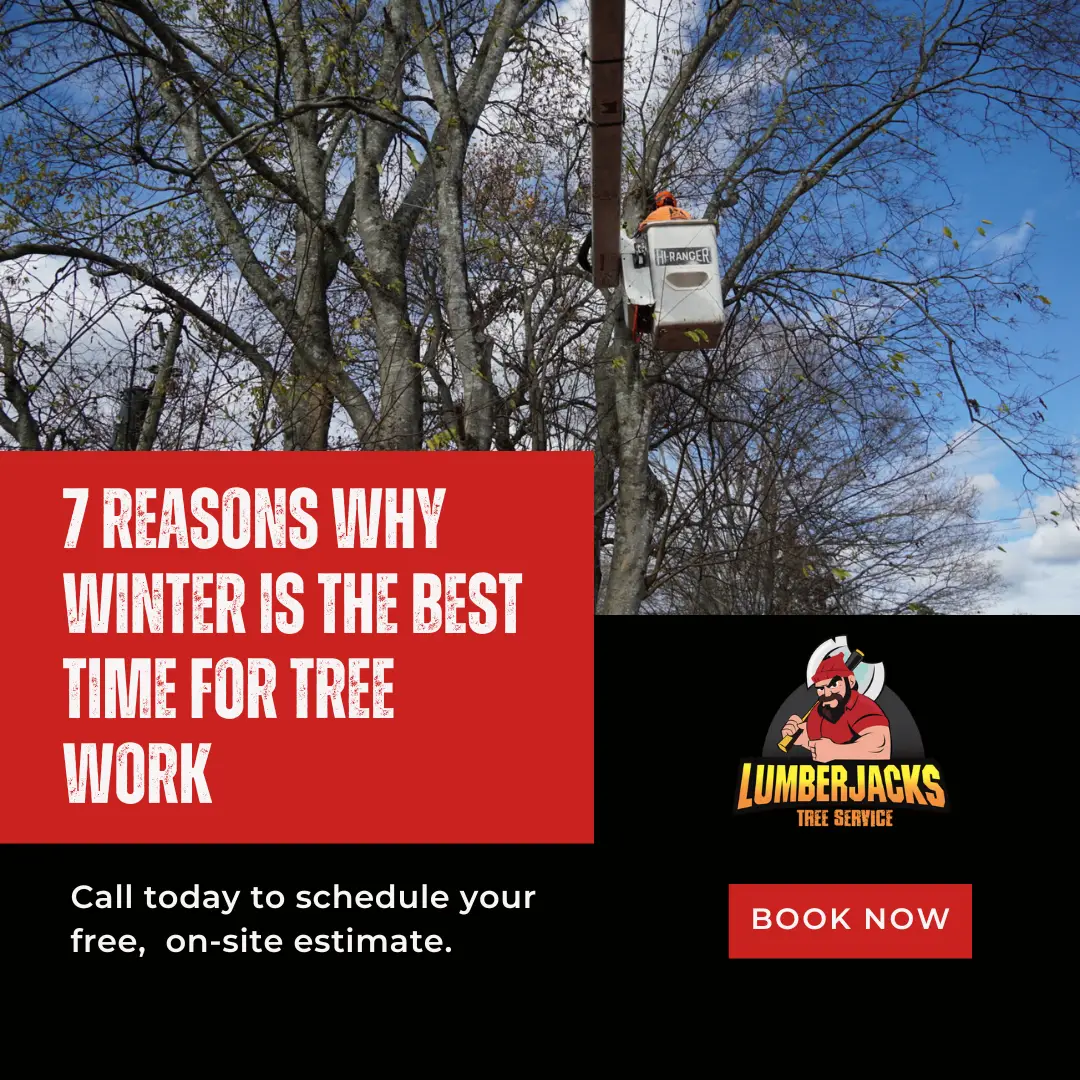
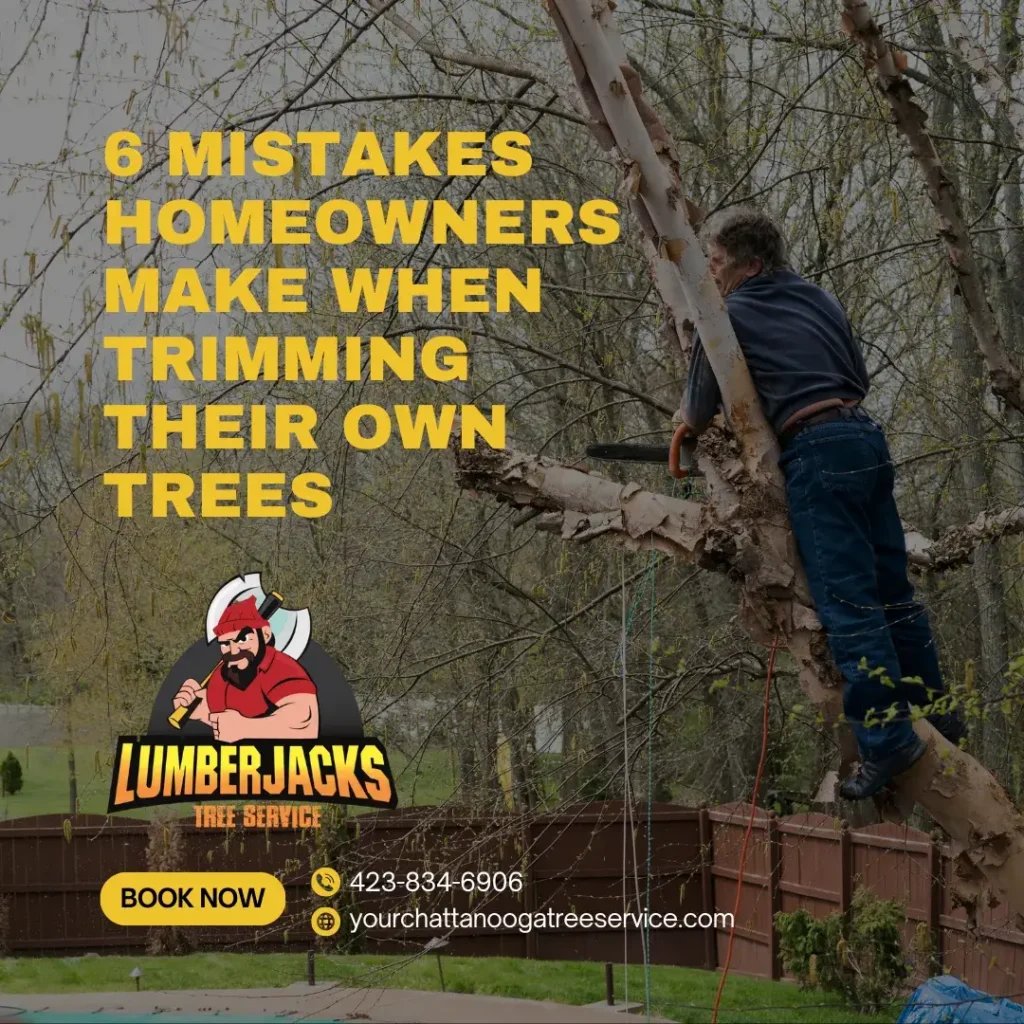
It’s enticing to think that you can add “tree trimming” to your to-do list at home, but take a moment to assess the risk, not only for you, but for your tree. Tree trimming, or pruning, is very important for the health, growth, and look of the tree. But unless you know what that specific tree needs, it’s best to leave it to a legitimate, certified arborist. Not only will you save yourself time and risk of damaging the tree or injuring yourself, you’ll also be able to relax knowing it was done by a professional.
In fact, here are the six most common mistakes homeowners make when attempting to trim their own trees:
1. Ignoring safety measures. We know it might seem easy enough to climb the ladder and start the chainsaw or hedge trimmers, but using a ladder is one of the most dangerous things you can do when it comes to outdoor work. In fact, you won’t see us using a ladder on a job site for that specific reason. Uneven ground and falling twigs or branches may cause you to lose your balance, which is one of the most common reasons people fall off ladders. It’s simply not worth the risk.
2. Using dull tools. If you come by our shop, you will often see the crew prepping their tools before they head to a job site. This includes sharpening the teeth and rakers on the chainsaws and pole saws, for example. Using dull tools not only makes the work more difficult and increases the chances of injury, but you may also induce damage to the tree that cannot be reversed.
3. Flush cutting. Don’t know what that is? Then you probably shouldn’t be trimming the tree yourself. If you cut a branch too close to the trunk, you can significantly injure the tree. This type of cut takes longer to heal (a tree forms a callus to heal/protect itself), which encourages fungus (mushrooms on your tree are a bad sign), pests, and disease. Furthermore, if you don’t cut enough, you’re not doing anything to help promote the growth and health of your tree, which leaves you with a gnarly looking branch.
4. Too much tree pruning. Homeowners often believe they need to trim more than they actually do. Over-pruning will lead to damaging the tree. Many times, this cannot be reversed, and your tree will pay the price. The point of trimming is to cut back or remove dead/dying branches; not to damage the living ones. A certified arborist can identify these branches with ease.
5. Trimming with Bad Weather on the Way. We get it – you had plans to trim the tree and now there is a storm moving in, and you want get this task marked off your to-do list. Not only is this unsafe if you get caught in a storm, if you haven’t been taking care of the tree, there’s a chance the limbs will fall off during the storm anyway. Stay safe, and postpone the project.
6. Insufficient Cleanup. Did you know that being struck by a falling limb or branch is the leading cause of serious accidents when pruning trees? You could be struck in the head or fall off the ladder, leading to significant injury or even death. If you don’t properly clean the ground, you may trip and fall, which can also lead to serious injury. The point is, clean up is extremely important, and when you don’t have the right tools or training, you may not be able to do it safely or understand the risk associated with it.
As you can see, there’s a lot more to it than going outside and lopping off some branches. So when it comes to trimming trees, let the professionals handle it. We’re properly trained and have the correct.