Protect Your Dogwood Trees: Identifying and Combating Anthracnose Disease

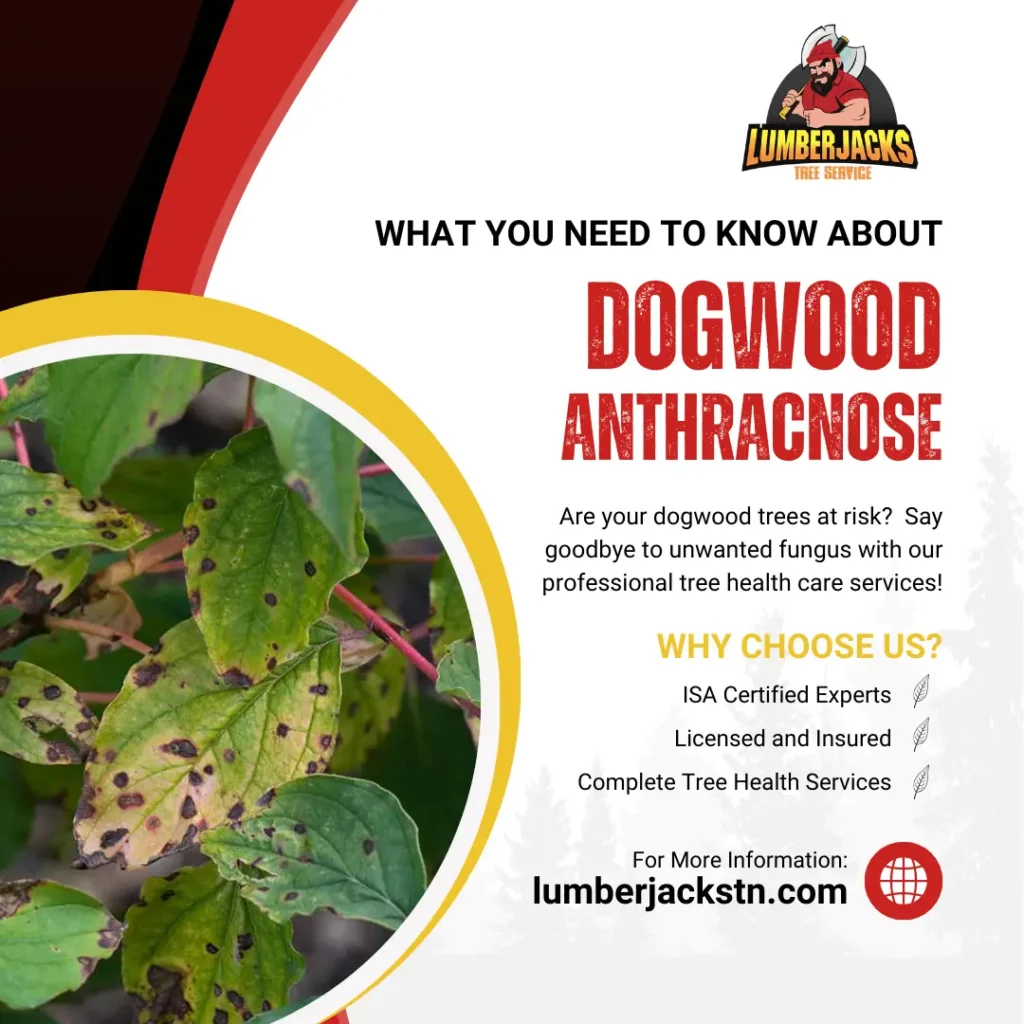
Dogwood anthracnose is a hazardous threat to dogwood species, including the beloved native flowering dogwood and Pacific dogwood trees. Introduced from Asia in the late 1970s, this fungal pathogen, Discula destructiva, has destroyed natural populations of flowering dogwood.

๐˜š๐˜บ๐˜ฎ๐˜ฑ๐˜ต๐˜ฐ๐˜ฎ๐˜ด ๐˜ฐ๐˜ง ๐˜‹๐˜ฐ๐˜จ๐˜ธ๐˜ฐ๐˜ฐ๐˜ฅ ๐˜ˆ๐˜ฏ๐˜ต๐˜ฉ๐˜ณ๐˜ข๐˜ค๐˜ฏ๐˜ฐ๐˜ด๐˜ฆ:

โ€“ Tan spots with irregular purple margins on leaves, which progress upwards if cool, wet weather persists.

โ€“ Brown blotches on leaves, causing scorch or blight, often spreading into the petiole and infecting the shoot.

โ€“ Sunken tan to brown spots with purple borders on twigs, which can girdle the twig and result in twig dieback.

โ€“ Blighting of terminal leaves, leading to death of terminal buds and reduced spring budbreak.

๐˜‹๐˜ช๐˜ด๐˜ฆ๐˜ข๐˜ด๐˜ฆ ๐˜Š๐˜บ๐˜ค๐˜ญ๐˜ฆ:

โ€“ Persisting as cankers on trunks and branches, the fungus produces large amounts of spores spread by rain, insects, or birds in cool, moist weather.

โ€“ Conidia (spores produced by fungi) formed on cankers are splashed by rain onto newly expanded leaves, flowers, and succulent tissues, initiating new infections.

๐˜‹๐˜ช๐˜ด๐˜ฆ๐˜ข๐˜ด๐˜ฆ ๐˜”๐˜ข๐˜ฏ๐˜ข๐˜จ๐˜ฆ๐˜ฎ๐˜ฆ๐˜ฏ๐˜ต:

โ€“ Cultural and chemical controls are crucial. Pruning infected parts removes the infection source, while maintaining tree health through adequate watering, mulching, and use of resistant cultivars is essential.

โ€“ Fertilizing young dogwood trees should be avoided in the first year and done cautiously thereafter, ensuring the right ratio and timing.

โ€“ Registered fungicides can help reduce new infections, but treatments will not cure existing ones. Apply treatments three to four times at 14-day intervals starting at bud break.

If you feel your dogwoods are in danger, contact us today for expert advice. We will provide you with a free Tree Risk Assessment and information about our tree health care program. Now is the time to protect your dogwood trees from anthracnose!

Note: The information provided is a condensed summary and should not be considered a substitute for professional advice and treatment.

Read More
Panoramic river valley landscape with dense trees displaying vibrant autumn colors of orange, red, and green, showcasing natural tree beauty for tree service company SEO

10 Places in Chattanooga to See Fall Foliage

Itโ€™s the time of year when the days are getting a little shorter, the nights...

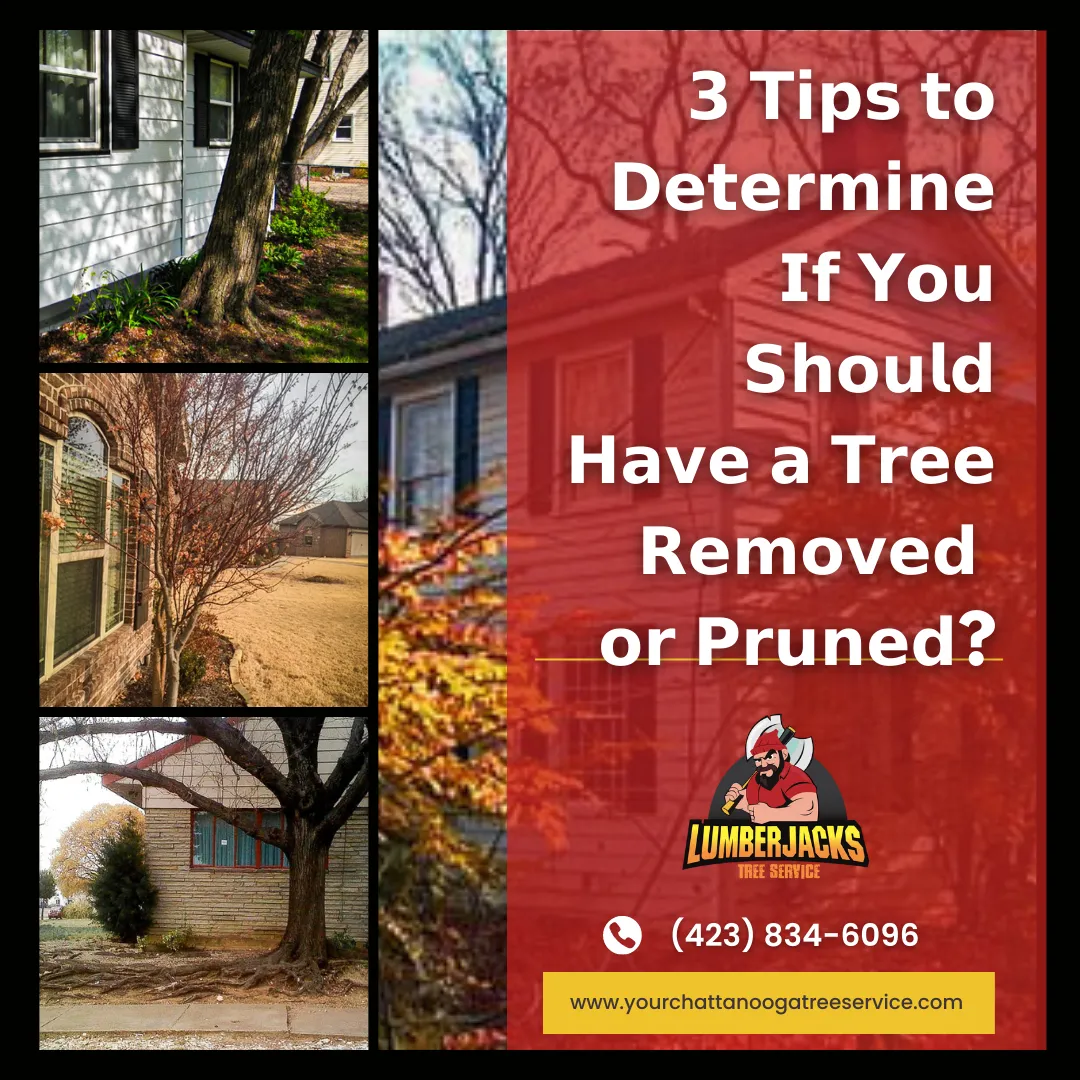
Three residential trees showing conditions for tree removal or pruning: healthy base, sparse branches, exposed roots near houses with text on determining tree care needs

3 Tips to Determine If You Should Have a Tree Pruned or Removed

It is no secret that trees can be an expensive project, especially if you donโ€™t...

Fallen tree in residential yard with exposed roots, house background, text 'The 7 Worst Trees to Have in Your Yard', and Lumberjacks Tree Service logo

The 7 Worst Tree to Have in Yard in Tennessee

Many times when people move into a new home, trees already exist on the property,...

Tree service worker in Hi-Ranger bucket truck performing winter tree maintenance on large tree with bare branches

Why Winter Is the Best Time for Tree Services in Chattanooga and Surrounding Areas

When most people think about tree care, their minds naturally gravitate toward warmer months when...

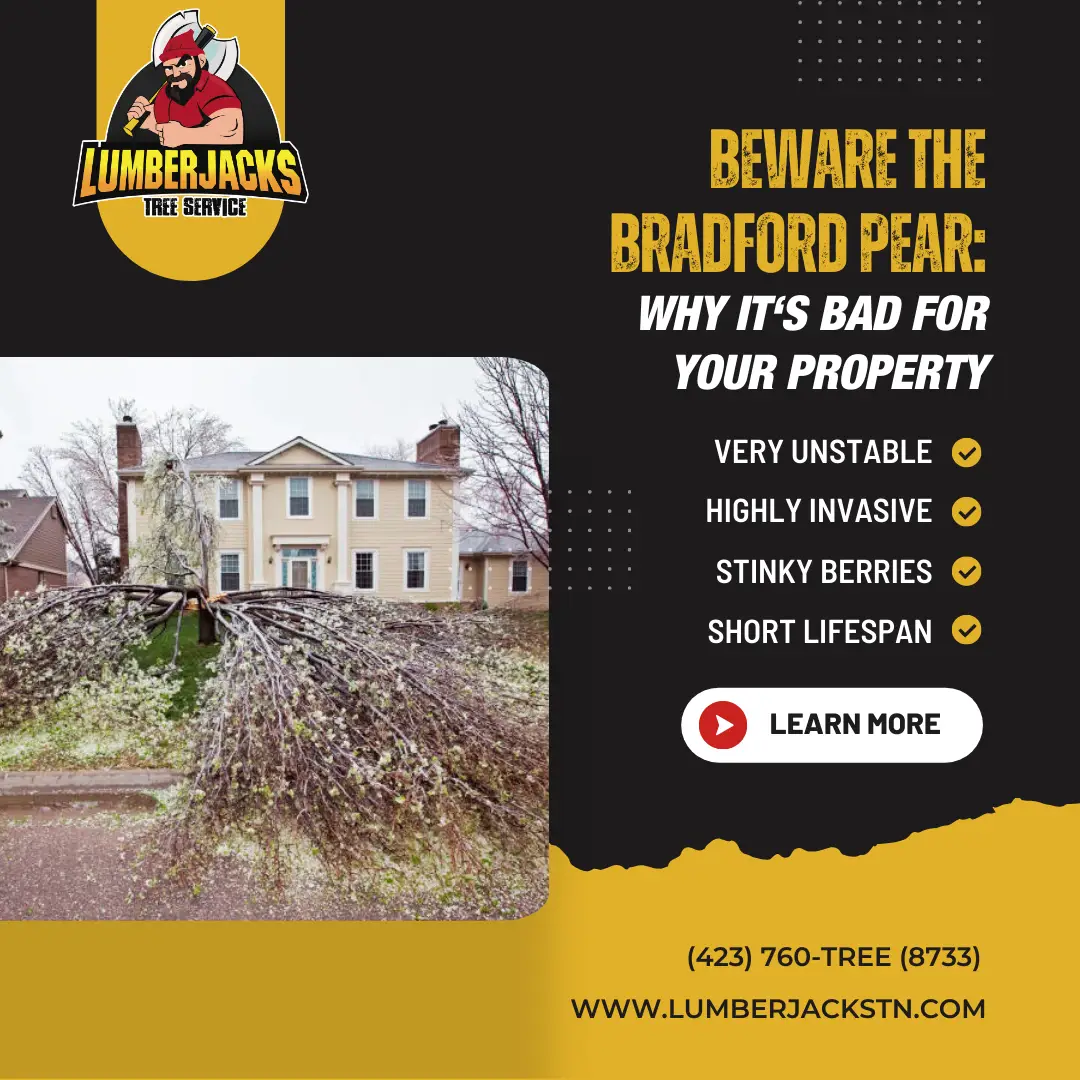
Fallen Bradford Pear tree with sprawling branches in front of a house, demonstrating unstable tree conditions and property hazards for homeowners

Beware the Bradford Pear: Why Itโ€™s Bad for Your Property

With spring just around the corner, the questions about Bradford pear trees have started to...

Lumberjack Tree Service employee standing in front of company sign listing tree removal, stump grinding, and land clearing services with BBB accreditation

About the Owner

How a Broke Teen with a Beat-Up Truck Built Chattanoogaโ€™s Most Trusted Tree Service Crew Meet Tyler...